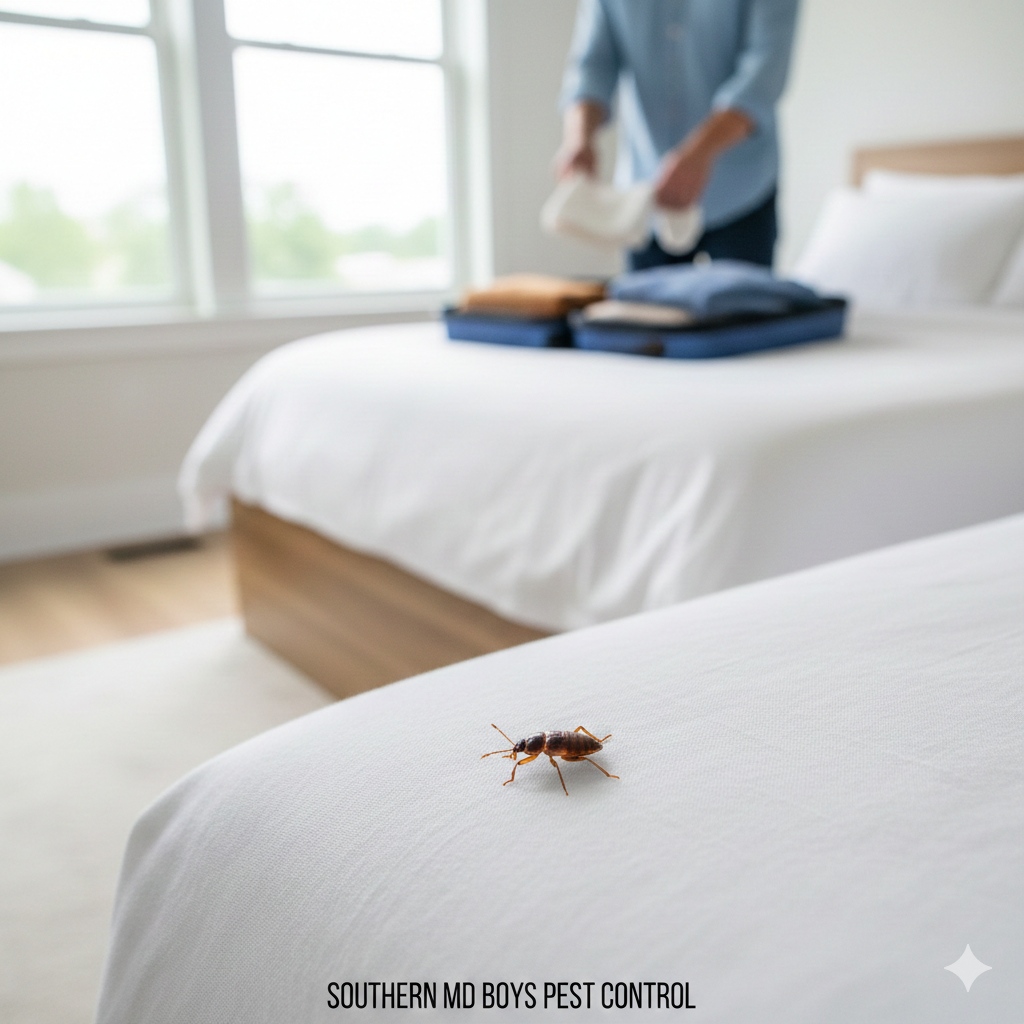


Spring Is Termite Swarm Season in Southern Maryland
The Silent Destroyers: How to Know If Termites Are Eating Your Home Right Now
By SomdPest.com · Spring 2025 · 6 min read
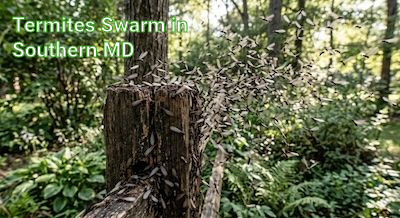
Termites cause more than $5 billion in property damage across the United States every year — and most homeowners don't know they have a problem until it's already expensive.
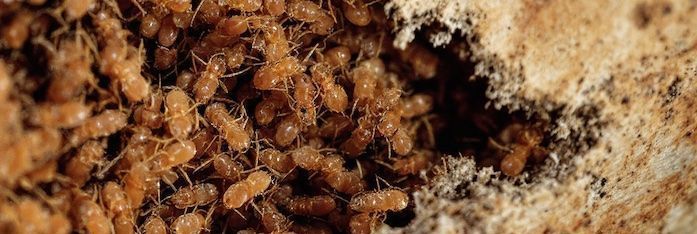
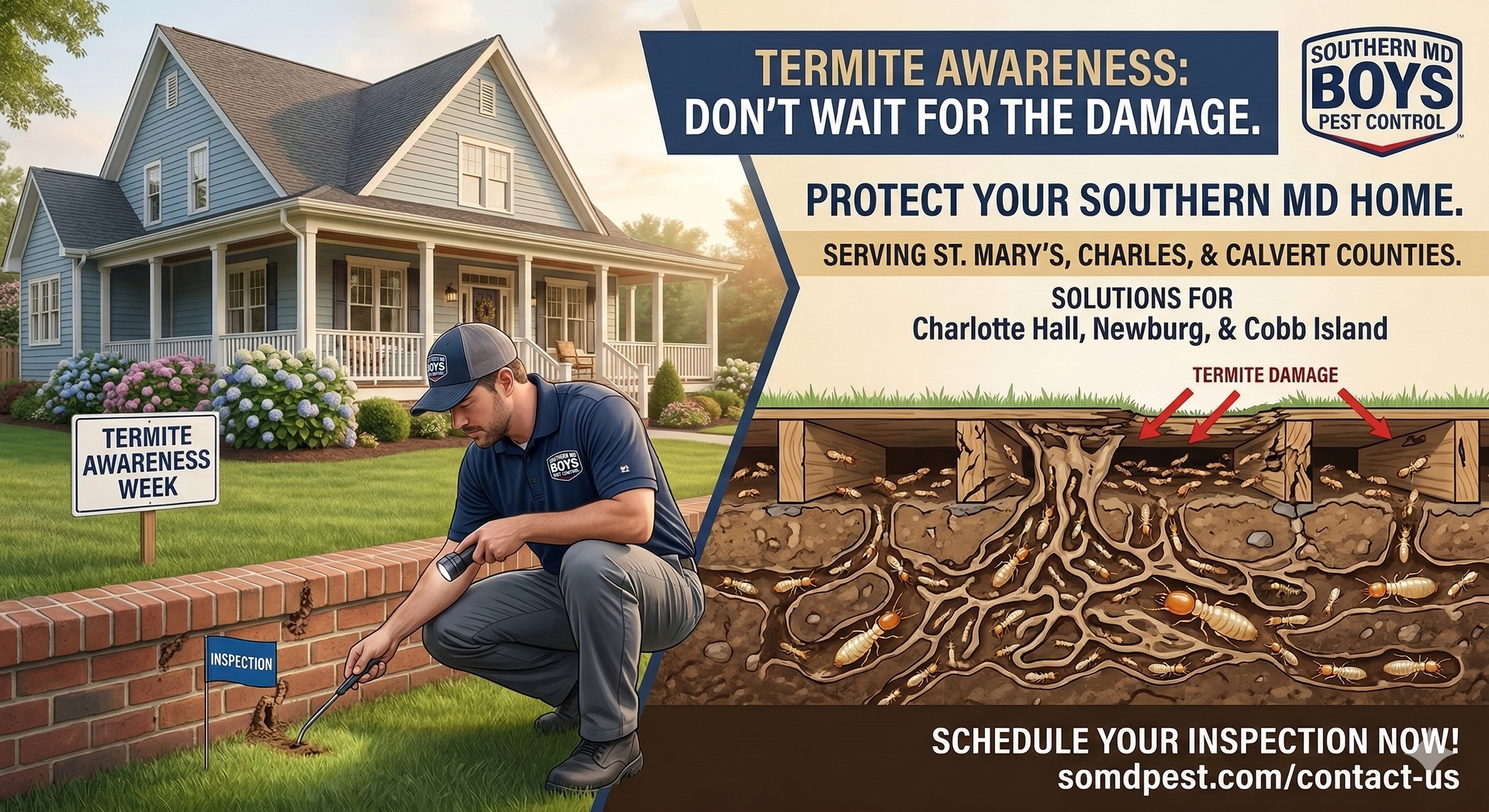
Here in Southern Maryland — Charles, St. Mary's, and Calvert Counties — we have a perfect storm for termite activity. Our warm, humid summers and abundance of older housing stock create ideal conditions for subterranean termites to thrive quietly inside walls, under floors, and beneath foundations. By the time visible damage appears, colonies can number in the millions.
The good news? If you know what to look for, you can catch an infestation early. Here are the warning signs most homeowners miss.
7 Warning Signs of a Termite Infestation
Most homeowners don't spot a problem until it's already costly. Here's what to look for — especially during swarm season in Southern Maryland.
Pencil-width tunnels made of soil and wood particles along your foundation walls or crawl space piers. These are termite highways.
Knock on wood trim, baseboards, or floor joists. A hollow thud instead of a solid knock means termites may have eaten it from the inside out.
Swarmers — reproductive termites — shed their wings after finding a mate. A small pile of wings on a windowsill is a serious red flag.
Termites produce moisture as they tunnel, causing paint to bubble or wallpaper to peel away from walls in localized spots.
Termite damage warps wood framing. If doors or windows suddenly stick or feel hard to open, it may be structural damage — not humidity.
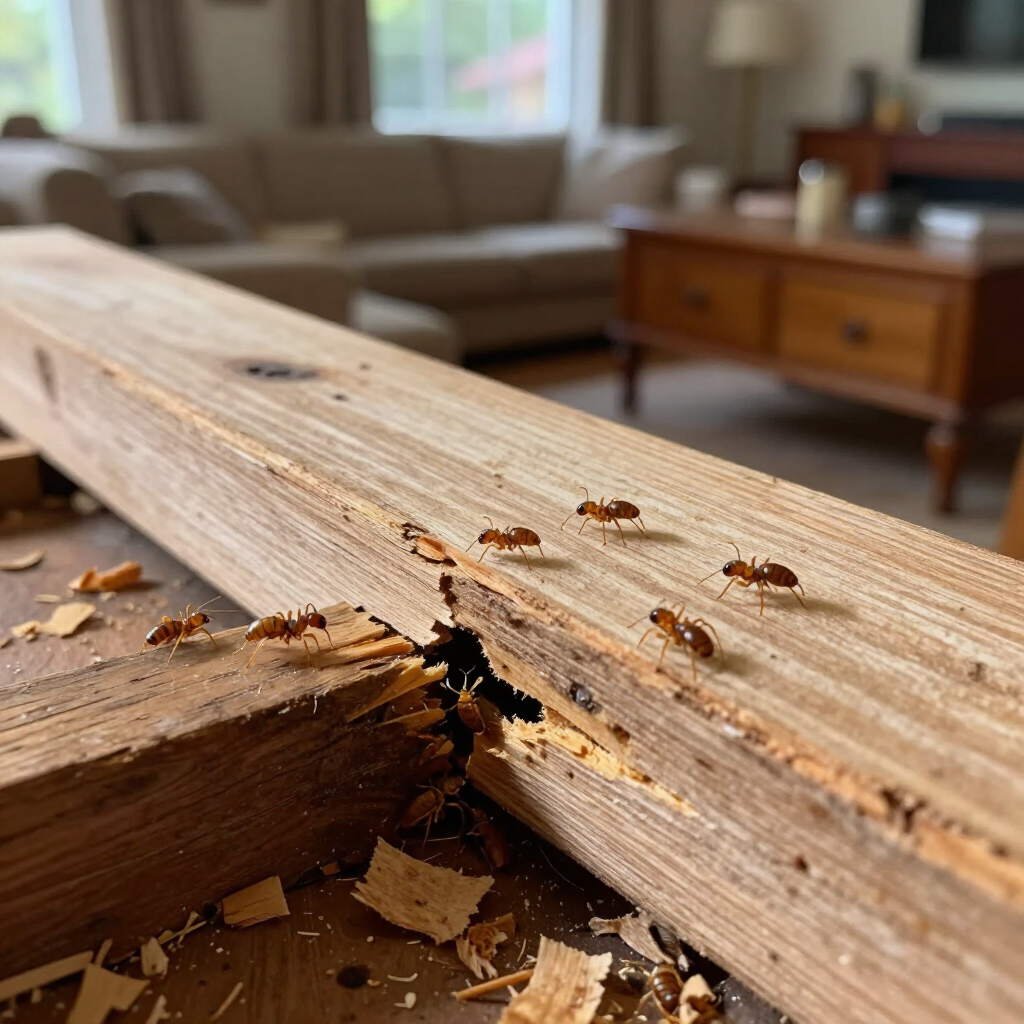
Drywood termites push their droppings out of tiny holes in wood. A small pile resembling sawdust or coffee grounds is a telltale sign.
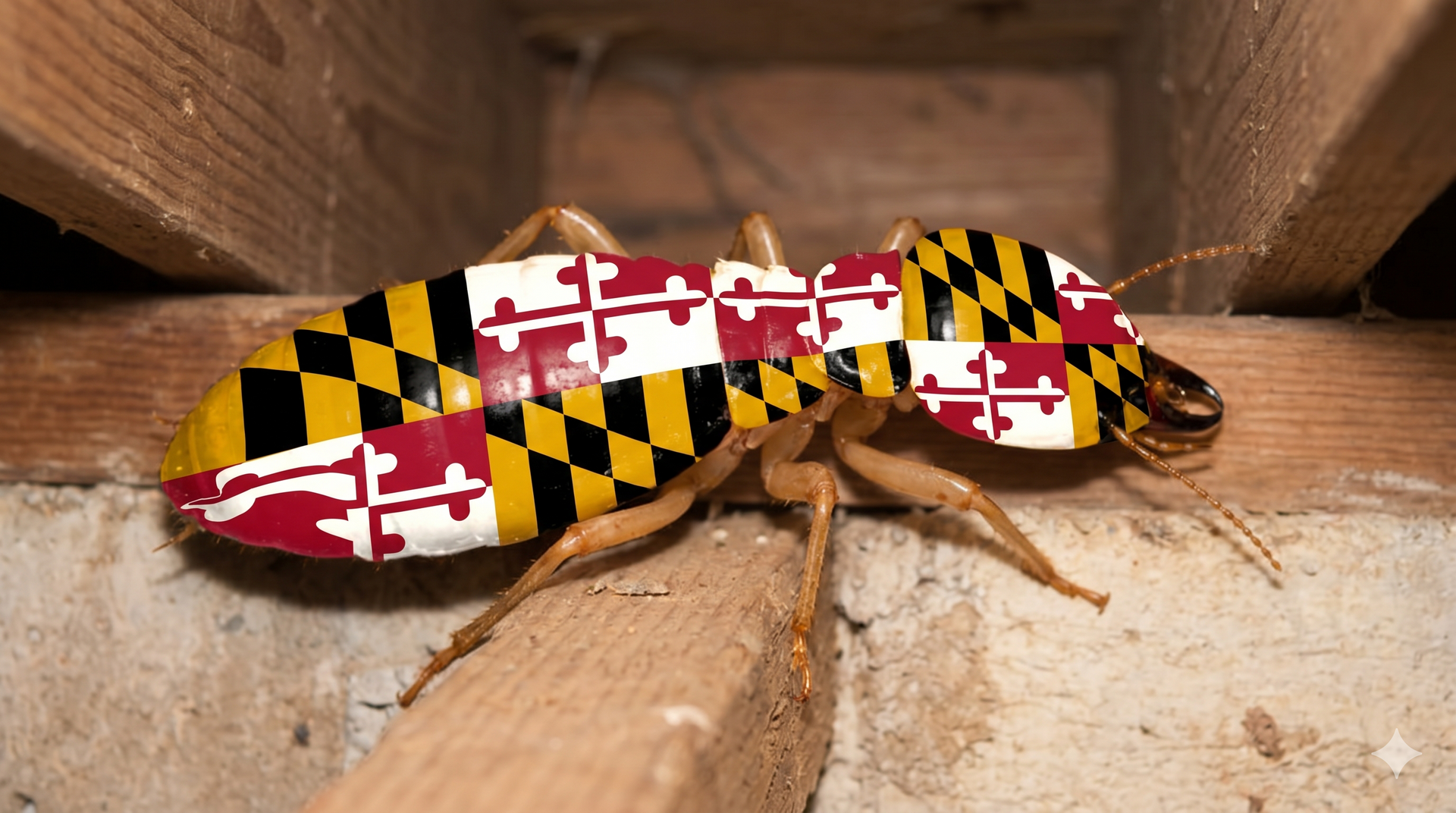
Termite swarms typically emerge in Maryland between March and May. Seeing a swarm near your home means a nearby colony is thriving.
Serving Charles, St. Mary's, and Calvert Counties — inspections available now.
Schedule a Free InspectionA single termite colony can contain over one million workers — all feeding silently, 24 hours a day, 365 days a year."
Subterranean vs. drywood: which type is in Southern Maryland?
The most common species in our region is the Eastern Subterranean Termite (Reticulitermes flavipes). These termites live underground and build colonies in the soil beneath and around your home. They need contact with moisture and soil, which is why they build those tell-tale mud tubes to reach above-ground wood.
Drywood termites are less common but do appear in Maryland. Unlike their subterranean cousins, they nest entirely inside the wood they eat — no soil contact needed. This makes them harder to detect and treat.
Important for Southern Maryland homeowners
Our region's clay-heavy soils retain moisture longer than sandy soils, creating favorable conditions for subterranean termites year-round — even during cooler months. Don't assume you're safe just because it's winter.
How much damage can they cause before you notice?
Termite colonies grow slowly at first. A newly established colony may have only a few hundred workers in its first year. But by year three to five, a mature subterranean colony can have 100,000 to 1 million workers actively feeding. At that scale, a colony can consume a linear foot of a 2x4 stud in as little as six months.
Because termites eat wood from the inside out, structural members can look completely normal on the surface while being almost entirely hollowed out inside. This is why routine professional inspections matter so much — trained eyes and tools detect what homeowners can't see.
What you can do right now: a DIY inspection checklist
While a professional inspection is the only way to be certain, you can do a basic walk-through of your own home. Focus on these areas:
Outside: Walk around your foundation and look for mud tubes. Check where wood meets soil — deck posts, porch steps, fence posts. Move any firewood stored against the house.
Inside: Go into your basement or crawl space with a flashlight and a screwdriver. Probe wood beams and joists — if the screwdriver sinks in with minimal force, termites may be present. Check where plumbing penetrates floors or walls.
Attic: Look for frass piles near wooden rafters or in corners. Any mud tubes climbing masonry are especially alarming.
When to call a professional
Call a licensed pest control company immediately if you see any of the seven signs listed above, if you've found swarmers inside your home, or if your home hasn't been inspected in more than a year. Spring — right now — is the most active season for termite swarms in Maryland, making it the ideal time for a professional inspection.
A professional termite inspection will typically include a thorough examination of all accessible areas, identification of the species present, assessment of any existing damage, and a treatment plan if needed. Most reputable companies offer free or low-cost initial inspections.
Contact Us