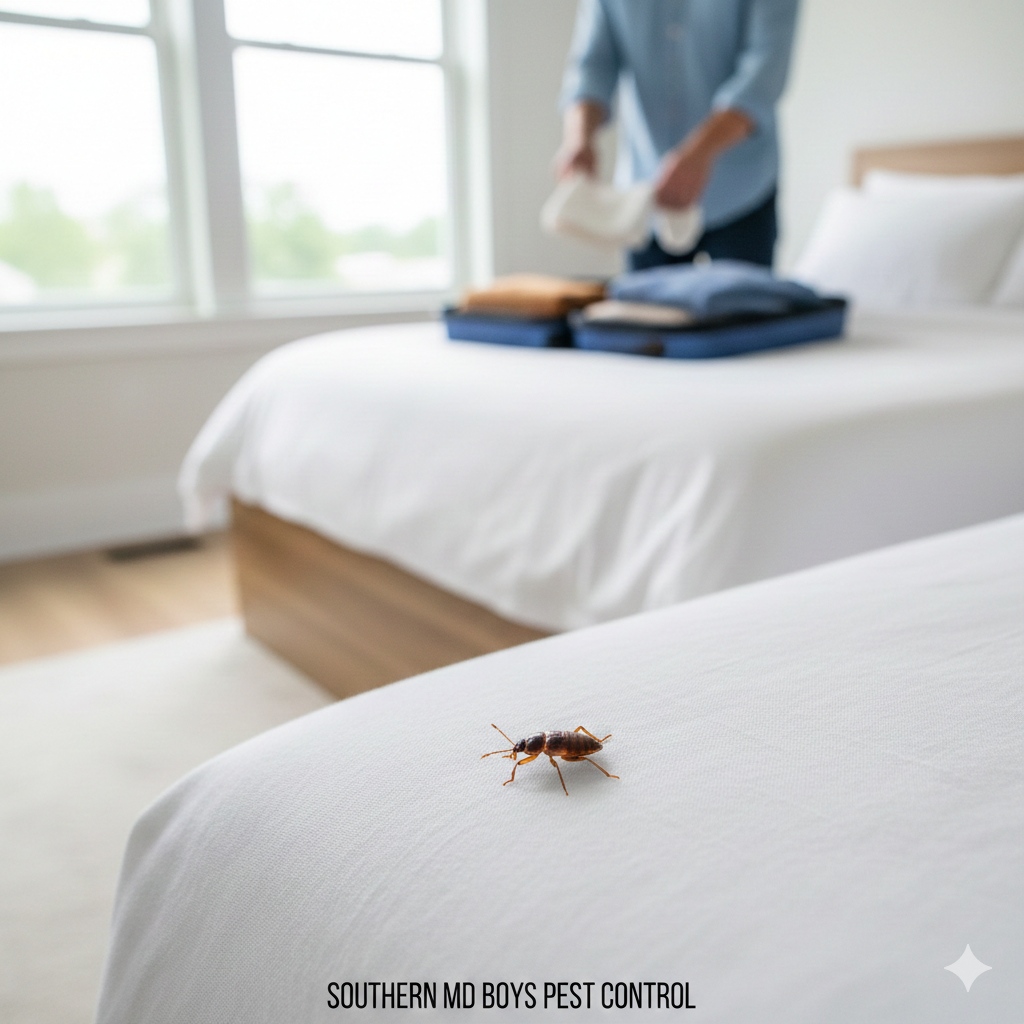


Brown Recluse Spiders in Southern MD
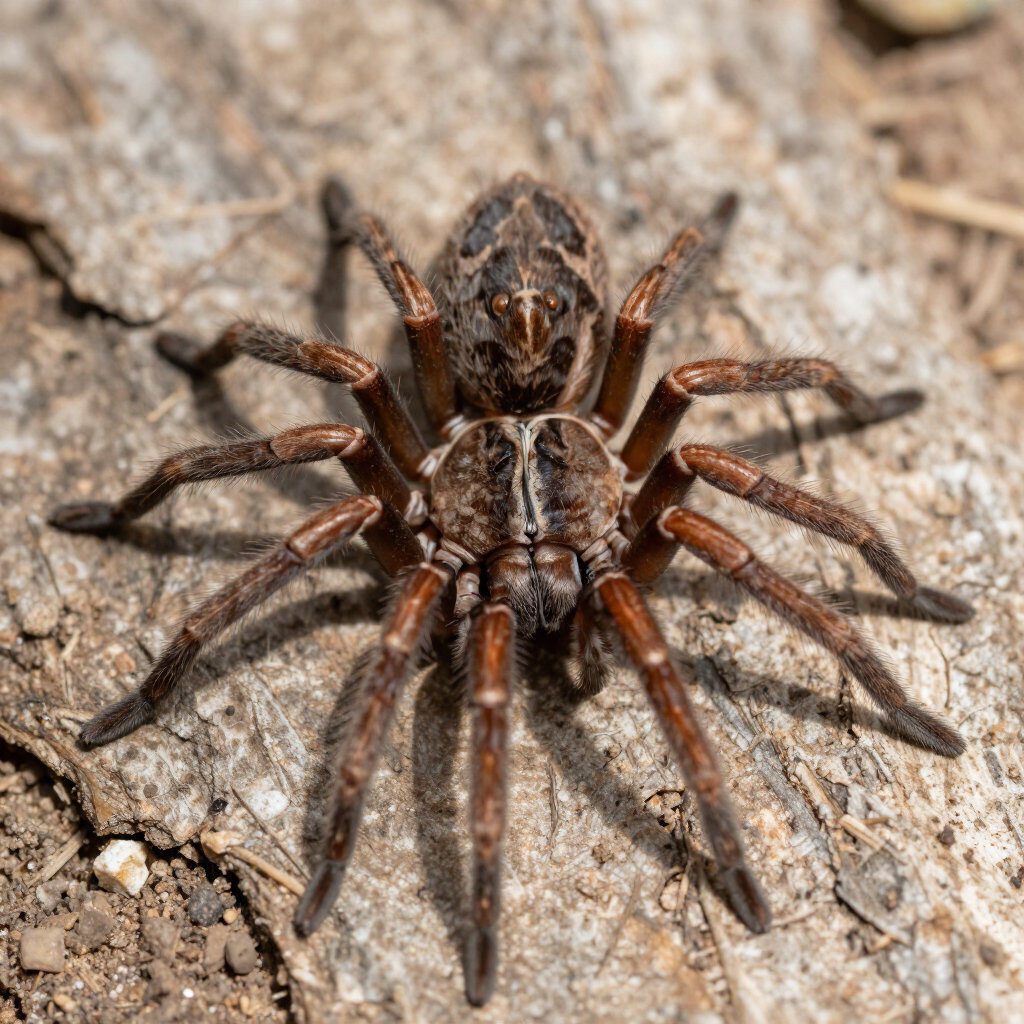
If you've ever found a spider in your basement, garage, or crawl space and immediately wondered "is that a brown recluse?" — you're not alone. It's one of the most common questions Southern Maryland pest control technicians hear. Brown recluse spiders have a fearsome reputation, and for good reason. Their venom can cause serious tissue damage and their bites are notoriously difficult to diagnose. But are they actually living in Maryland homes?
The honest answer is: it's complicated. Here's what Southern MD homeowners actually need to know — including which dangerous spiders are confirmed in our region and what to do if you find one.
Are Brown Recluse Spiders Native to Maryland?
No. The brown recluse spider ( Loxosceles reclusa ) is not native to Maryland. Its established range covers the south-central United States — primarily Missouri, Arkansas, Tennessee, Oklahoma, Kansas, and neighboring states. Maryland sits well outside that native territory.
That said, "not native" does not mean "impossible to find here." Brown recluse spiders are exceptional hitchhikers. They can survive for months without food or water, which makes them well-suited to hiding inside moving boxes, secondhand furniture, shipped goods, and stored items. Specimens are occasionally found in Maryland homes — but these are isolated introductions, not established local populations.
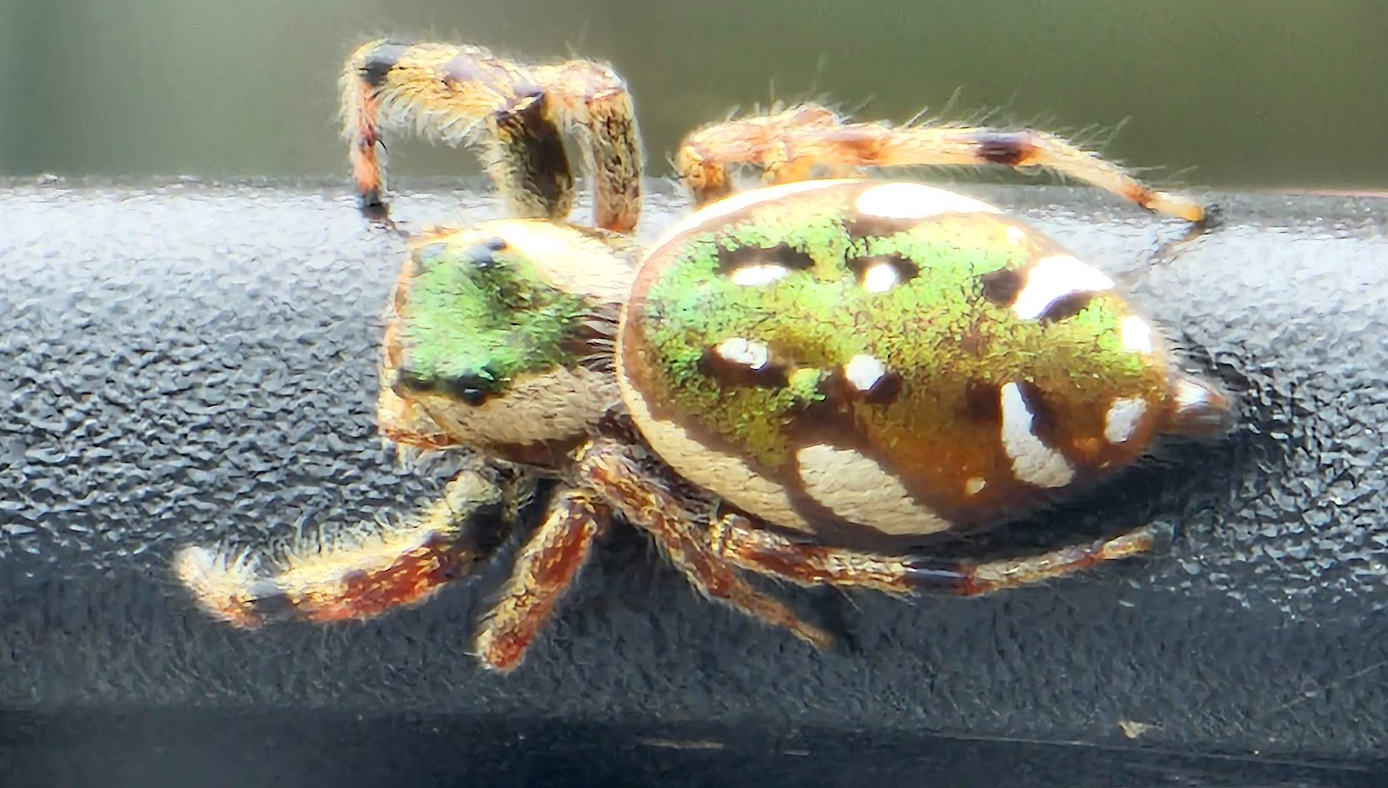
The bigger issue for Southern Maryland homeowners is misidentification. Several spiders that are native to our region look similar enough to the brown recluse that they're frequently mistaken for it. Knowing the difference matters — both for your peace of mind and for making smart decisions about treatment.
How to Identify a Brown Recluse
If you're concerned about a spider you've found, here are the actual identifying features of a genuine brown recluse:
- The violin marking. The brown recluse has a dark brown, violin-shaped marking on its back, with the neck of the violin pointing toward the abdomen. This is the most referenced identifier — but it's also the most misapplied, because several harmless spiders have similar markings.
- Six eyes, not eight. This is the most reliable distinguishing feature. Almost all other common spiders have eight eyes arranged in pairs. The brown recluse has six eyes arranged in three pairs of two. You'll need a magnifying glass to confirm this, but it's definitive.
- Uniformly colored abdomen. The brown recluse has a solid, plain abdomen with no stripes, spots, or patterns. If the spider you found has any markings on its belly or abdomen, it is not a brown recluse.
- Size. Brown recluses are small to medium spiders, with a body roughly the size of a quarter when legs are included. They're not the large, intimidating spiders most people imagine.
- Fine hairs, no spines. Brown recluse legs are covered in fine hairs but have no spines. Many spiders commonly found in Maryland homes have visibly spiny legs.
If you want a definitive identification, catch the spider in a sealed jar or bag — without getting bitten — and have a professional take a look. A licensed pest control technician or your local cooperative extension office can provide accurate identification.
What Spiders Are Actually in Southern Maryland Homes?
Here's where it gets important for Charles County, Calvert County, and St. Mary's County homeowners. Several spider species common to our region are frequently misidentified as brown recluses — and one of them is genuinely dangerous.
Black Widow Spider ( Latrodectus mactans )
The black widow is the spider Southern Maryland homeowners should actually be most concerned about — and it is confirmed and well-established here. Black widows are found throughout Maryland, particularly in undisturbed areas like garages, woodpiles, crawl spaces, storage sheds, and basement corners.
The female black widow is unmistakable: shiny black body with a distinctive red hourglass marking on the underside of the abdomen. She's not aggressive and bites only when threatened or accidentally contacted — but her venom is a potent neurotoxin. Black widow bites can cause severe muscle cramping, abdominal pain, sweating, and in vulnerable individuals — children, the elderly, or those with health conditions — can require medical treatment.
If you find a black widow inside your home, do not handle it. This is not a DIY situation. Call a professional.
Southern House Spider ( Kukulcania hibernalis )
This is the spider most often mistaken for a brown recluse in Maryland, and the confusion is understandable. The male southern house spider is brownish, similar in size, and moves in a nervous, erratic way that makes people uneasy. However, it has eight eyes (not six), lacks the violin marking, and is completely harmless. Female southern house spiders are larger and darker but equally benign.
Southern house spiders are increasingly common in the mid-Atlantic as the climate warms, and they're frequently spotted in Charles County and St. Mary's County homes. If you're seeing what you think is a brown recluse but can't confirm the six-eye arrangement, there's a very good chance it's this spider.
Wolf Spider ( Lycosidae )
Wolf spiders are large, fast, hairy, and alarming — but harmless to humans. They're ground hunters that don't build webs and frequently wander into homes through gaps at ground level. Their size alone makes them frightening, and their brown coloring leads to regular misidentification as brown recluses. Wolf spiders are extremely common across all of Southern Maryland.
Cellar Spider ( Pholcus phalangioides )
Long-legged, pale, and web-building in corners of basements and crawl spaces, cellar spiders are harmless and actually beneficial — they prey on other insects including mosquitoes and flies. Despite the persistent myth, they are not venomous to humans in any meaningful way. If your basement has them, they're doing you a favor — but large populations can signal a broader pest issue worth addressing.
Funnel Weaver Spiders
Funnel weaver spiders build distinctive flat, funnel-shaped webs in grass, low shrubs, and along the exterior of homes. They're brown and often confused with both brown recluses and grass spiders. Funnel weavers are not dangerous to humans, though they can bite if handled. They're very common in Southern Maryland yards and gardens, particularly in late summer and fall.
When Should You Actually Worry?
Here's a practical framework for Southern Maryland homeowners:
- You found a shiny black spider with a red hourglass on the underside. That's a black widow. Call a professional. Don't attempt to remove it yourself.
- You found a brown spider and you're not sure what it is. Catch it safely if you can and call for an inspection. The odds that it's a genuine brown recluse are low, but a professional can confirm it either way.
- You're finding spiders frequently throughout your home. High spider activity inside a home is almost always a sign of a broader insect problem — spiders go where the food is. If spiders are common, it means your home has enough other insects to sustain them. That's worth investigating.
- You've been bitten and the wound is getting worse. Seek medical attention immediately. Spider bite wounds — especially any that begin to develop a necrotic or tissue-damaging center — require prompt medical evaluation regardless of which species was responsible.
What Attracts Spiders to Southern Maryland Homes?
Understanding what draws spiders in is the first step toward keeping them out. Spiders don't come indoors looking for warmth the way rodents do — they follow prey. If spiders are present in numbers inside your home, it means your home has an insect population large enough to support them. Common attractants include:
- Exterior lighting. Lights attract flying insects at night, and spiders position themselves near light sources to take advantage of the buffet. Switching to yellow or sodium vapor bulbs reduces insect attraction and in turn reduces spider activity near entry points.
- Clutter and undisturbed storage. Garages, basements, and storage areas with boxes, firewood, or equipment that sits for long periods give spiders ideal undisturbed habitat. Black widows in particular favor these conditions.
- Gaps and cracks in the foundation or siding. Ground-level openings are the primary entry point for hunting spiders like wolf spiders and cellar spiders. Sealing these with caulk or weatherstripping is one of the most effective prevention steps available.
- Moisture. Damp basements and crawl spaces attract the insects spiders eat. Addressing moisture problems reduces the entire pest ecosystem, spiders included.
- Landscaping in contact with the home. Mulch beds, dense shrubs, and firewood stacked against the foundation create a bridge between outdoor spider habitat and your home's interior.
How to Keep Spiders Out of Your Southern Maryland Home
Prevention is more effective than reaction when it comes to spiders. These steps reduce activity significantly:
- Seal cracks around foundation walls, window frames, door sweeps, and utility penetrations.
- Keep firewood stored at least 20 feet from the house and elevated off the ground.
- Reduce clutter in garages, basements, and crawl spaces — especially cardboard boxes on the floor.
- Install or repair door sweeps on all exterior doors and check window screens for gaps.
- Address any moisture or standing water issues in basements and crawl spaces.
- Knock down webs regularly — active webs inside the home signal ongoing activity that should be addressed.
- Have the perimeter of your home treated professionally. A residual barrier treatment applied around the foundation dramatically reduces both spider activity and the insects they feed on.
Frequently Asked Questions
Have brown recluse spiders ever been found in Maryland?
Isolated specimens have been found in Maryland on rare occasions — almost always traced to shipments, moving boxes, or items brought in from states where brown recluses are established. There are no known breeding populations in Maryland. The risk of encountering a true brown recluse in a Southern Maryland home is very low, though not zero.
What's the most dangerous spider in Southern Maryland?
The black widow is the most medically significant spider confirmed to live in Southern Maryland. Its venom is a potent neurotoxin that can cause serious symptoms and requires medical attention. Black widows are found in garages, woodpiles, crawl spaces, and sheds throughout Calvert, Charles, and St. Mary's Counties.
What should I do if I think I was bitten by a brown recluse in Maryland?
Seek medical attention promptly. If you can safely capture the spider without risk of a second bite, bring it with you for identification. Brown recluse bites are diagnosed clinically — there is no specific lab test — and the wound pattern develops over hours to days. Do not wait to see if it gets better on its own if the wound appears to be expanding or darkening.
Why are there so many spiders in my Southern Maryland basement?
Basement spider activity in Southern Maryland homes is almost always linked to moisture and a healthy population of other insects — springtails, fungus gnats, silverfish, and similar bugs thrive in damp basement conditions and become food for spiders. Addressing the moisture source and having the home treated for the underlying insect population typically resolves the spider problem along with it.
Do spiders come inside more in the fall in Southern Maryland?
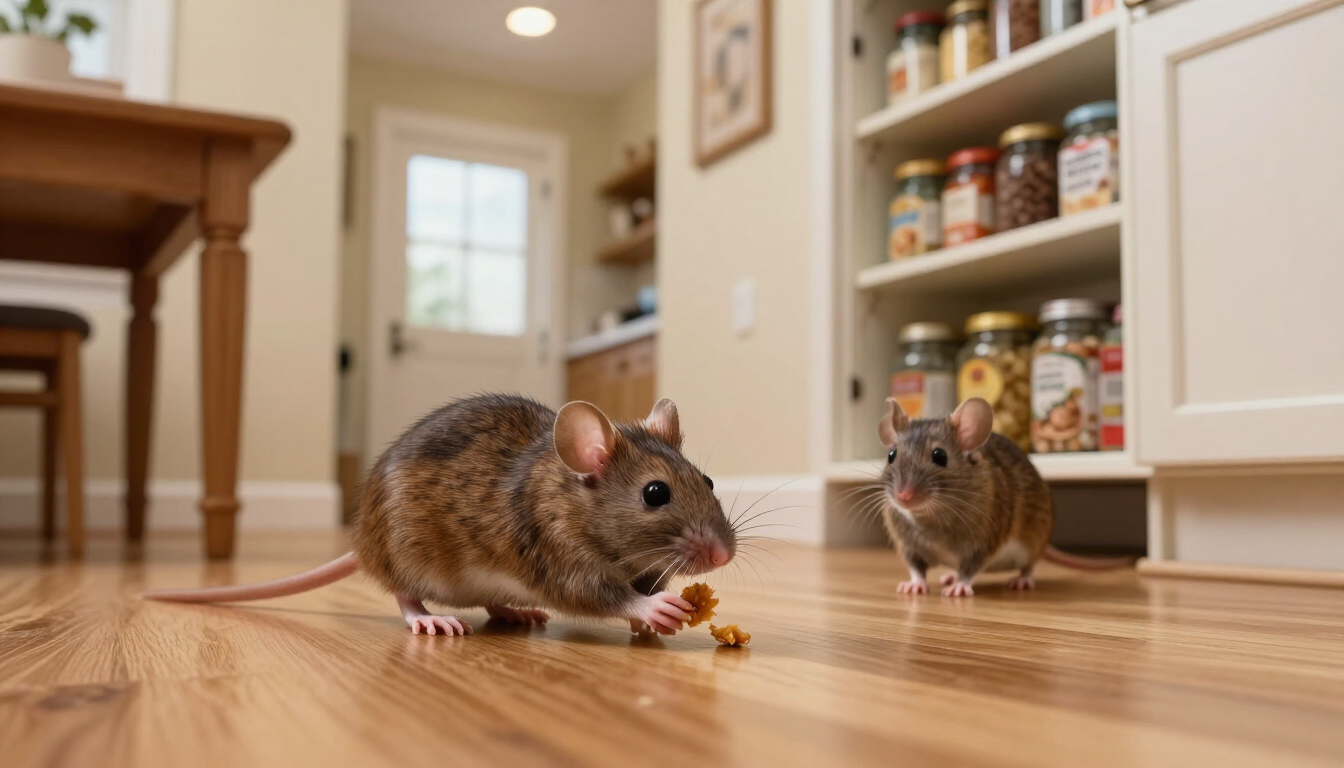
Yes — but not for the reason most people assume. Spiders don't seek warmth the way mice do. What happens in fall is that male spiders of many species become more active as they search for mates, which increases the chance of one wandering across your floor. Additionally, insects begin moving indoors as temperatures drop, which brings their predators — spiders — in behind them.
If spiders are a recurring problem in your Southern Maryland home, the solution isn't just treating the spiders — it's addressing the conditions that attract them. Southern MD Boys Pest Control's spider control services include a full assessment of entry points, harborage areas, and the underlying pest activity driving spider populations. We serve all of Charles County, Calvert County, and St. Mary's County — including Waldorf, White Plains, St. Charles, Lusby, and Lexington Park.
Call 443-802-1022 for a free estimate. Emergency services available.
Contact Us